PPD Hair Dye Allergy Alternative: Understanding TDS and Safer Options
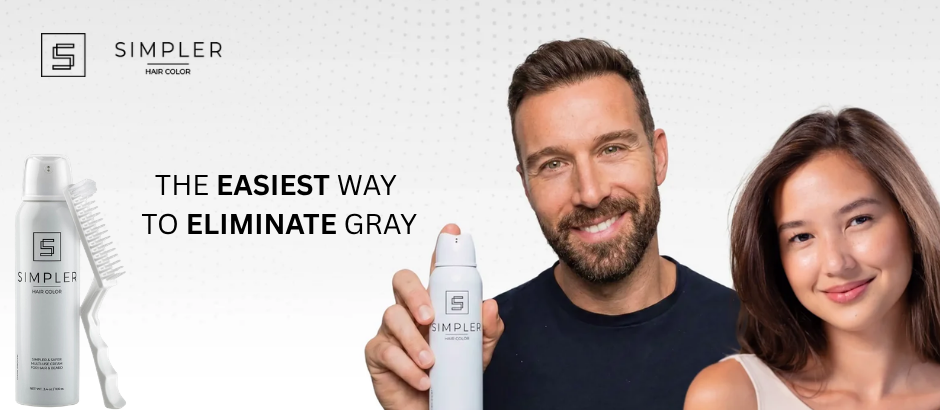
A gentler PPD-free hair dye alternative using TDS, designed for sensitive users seeking natural-looking color with less irritation.
Hair dye is one of the most common causes of allergic contact reactions on the scalp and face. In one dermatology study, a majority of patients allergic to PPD tolerated a different ingredient instead. If you've ever finished coloring your hair with an itching, burning scalp, you may be searching for a PPD hair dye allergy alternative. This guide explains what PPD is, why it triggers reactions, what TDS offers instead, and how to weigh your options carefully.
Here's the plan: we'll cover the science in plain terms, then move into practical buying advice you can actually use.
What Is PPD and Why Is It in Hair Dye?
PPD stands for paraphenylenediamine. It's a chemical used in many permanent hair dyes to develop long-lasting, natural-looking color.
It works well, which is why manufacturers rely on it so heavily. PPD helps color bond deep into the hair shaft, giving durability that temporary dyes can't match.
The tradeoff is sensitivity. PPD is a well-documented skin sensitizer, meaning it can trigger allergic reactions in certain people.
Takeaway: PPD delivers strong, lasting color, but it's also a leading cause of dye-related skin reactions.
How PPD Reactions Show Up
Reactions usually appear as allergic contact dermatitis. That's a delayed immune response, so symptoms may take hours or even a day or two to surface.
Common signs include:
Itching or burning on the scalp
Redness along the hairline, ears, or neck
Swelling or small blisters in more serious cases
Once you're sensitized to PPD, the reaction often returns each time you're exposed. That's why many people go looking for a gentler route.
Why People Seek a PPD-Free Alternative
Sensitization tends to build over time. Someone who colored comfortably for years may suddenly react without warning.
That surprise pushes people toward research. They want color that works without the discomfort.
The challenge is that PPD sits in so many products. Finding a true alternative takes intention, not just grabbing another box off the shelf.
Takeaway: A PPD reaction rarely fades on its own, so switching ingredients is often the practical fix.

Buy Now
What Is TDS and How Does It Differ from PPD?
TDS refers to toluene-2,5-diamine sulfate. It's a related dye molecule, but its structure differs enough to change how the skin responds.
Research supports this distinction. A study by Dr. A. Scheman concluded that 57% of patients allergic to PPD would likely tolerate dyes using TDS.
That same study described TDS-based dyes as the first cosmetically elegant alternative for people allergic to PPD. In plain terms, it colors well while being gentler for many sensitive users.
The Important Caveat
TDS is not universally safe. Some people can still react to it, even without a PPD history.
This is why patch testing matters every single time. It's a small step that protects you before you commit color to your whole head.
Takeaway: TDS is a research-backed gentler option for many, but it's an alternative, not a guarantee.
How Simpler Hair Color Fits Into This Picture
Simpler Hair Color builds its formula around TDS instead of PPD. That single choice makes it a relevant option for people navigating dye sensitivity.
The formula also skips several ingredients that concern sensitive users. There's no ammonia and no parabens in the mix.
Beyond that, it's a hypoallergenic, 100% vegan formula made in the USA. The brand's founder started the company specifically to create an easier, gentler way to color hair and beard.
What This Means for You
If PPD has caused problems before, a TDS-based dye deserves a closer look. It addresses the exact ingredient most likely behind your reaction.
The brush-on application also reduces skin contact and mess, which helps if irritation is a concern. You still patch-test, but the process itself stays cleaner and simpler.
Takeaway: A TDS formula without ammonia or parabens targets the common irritants sensitive dye users worry about.
Honest Pros and Cons
No product suits everyone, so here's a balanced view before you decide.
Pros:
Uses TDS, a research-supported gentler† option than PPD
Vegan, hypoallergenic, and free of ammonia and parabens
Made in the USA with a complete application kit
One reusable can covers hair, beard, and touch-ups
Backed by free returns and a money-back guarantee
Cons:
TDS can still trigger reactions in some people
Requires a patch test before every use
Not designed for dramatic fashion colors
Best value comes from repeat use, not a one-time trial
Naming these tradeoffs matters. The right choice depends on your skin history, not marketing claims.
Buying Considerations Before You Switch
Think through these points to make a confident decision.
Confirm your trigger. A dermatologist or allergist can test whether PPD is the actual cause of your reactions. That knowledge guides everything else.
Always patch-test. Even with a gentler formula, apply a small amount first and wait the full recommended time.
Read the full ingredient list. "PPD-free" on the front doesn't always mean free of every related chemical. Check carefully.
Weigh the value. A reusable formula that covers hair and beard often costs less per use than repeated single-use boxes.
Simpler Hair Color has also been featured in outlets like FOX, MSN, and Yahoo!, which adds outside visibility to its claims.
Frequently Asked Questions
What causes an allergic reaction to hair dye?
Most dye allergies come from PPD, a chemical that helps color last. It acts as a skin sensitizer, triggering delayed allergic contact dermatitis. Symptoms like itching, redness, and swelling often appear hours after coloring rather than immediately.
Is there a hair dye without PPD?
Yes. Some dyes replace PPD with TDS, a related but structurally different molecule. Simpler Hair Color uses a TDS-based, vegan formula without ammonia or parabens, offering a PPD-free option for people sensitive to that specific ingredient.
Can you develop a hair dye allergy suddenly?
Yes. Sensitization builds over time, so you can react after years of coloring without issues. Once sensitized, reactions usually recur with each exposure, which is why many people switch to a gentler alternative formula.
Does TDS work as well as PPD for gray coverage?
For many users, yes. Research describes TDS-based dyes as a cosmetically elegant alternative, meaning they deliver comparable, natural-looking results. Individual outcomes vary by hair type, so results and longevity differ from person to person.
Do I still need a patch test with a gentler formula?
Absolutely. No dye ingredient is universally safe, and some people react to TDS. Applying a small test amount and waiting the recommended time helps you catch a reaction before coloring your entire head.
What does hypoallergenic mean in hair dye?
Hypoallergenic means a product is formulated to reduce the likelihood of allergic reactions. It doesn't guarantee zero reactions, but it signals fewer common irritants. Patch testing remains important even with hypoallergenic, PPD-free formulas.
The Bottom Line: Choosing a Gentler Path to Color
A hair dye reaction isn't something you have to accept as normal. Understanding the difference between PPD and TDS gives you a clear, evidence-based path forward.
Here's the core takeaway. PPD is a common allergy trigger; TDS is a research-supported, gentler alternative for many, and patch testing protects you either way.
If you suspect PPD is behind your discomfort, your next step is simple. Learn how a TDS-based formula works by reading the full ingredient details on Simpler Hair Color's site, then decide with your own skin history in mind.